Oxford Covered Market
Masterplan and heritage adaption for Grade II-listed covered market
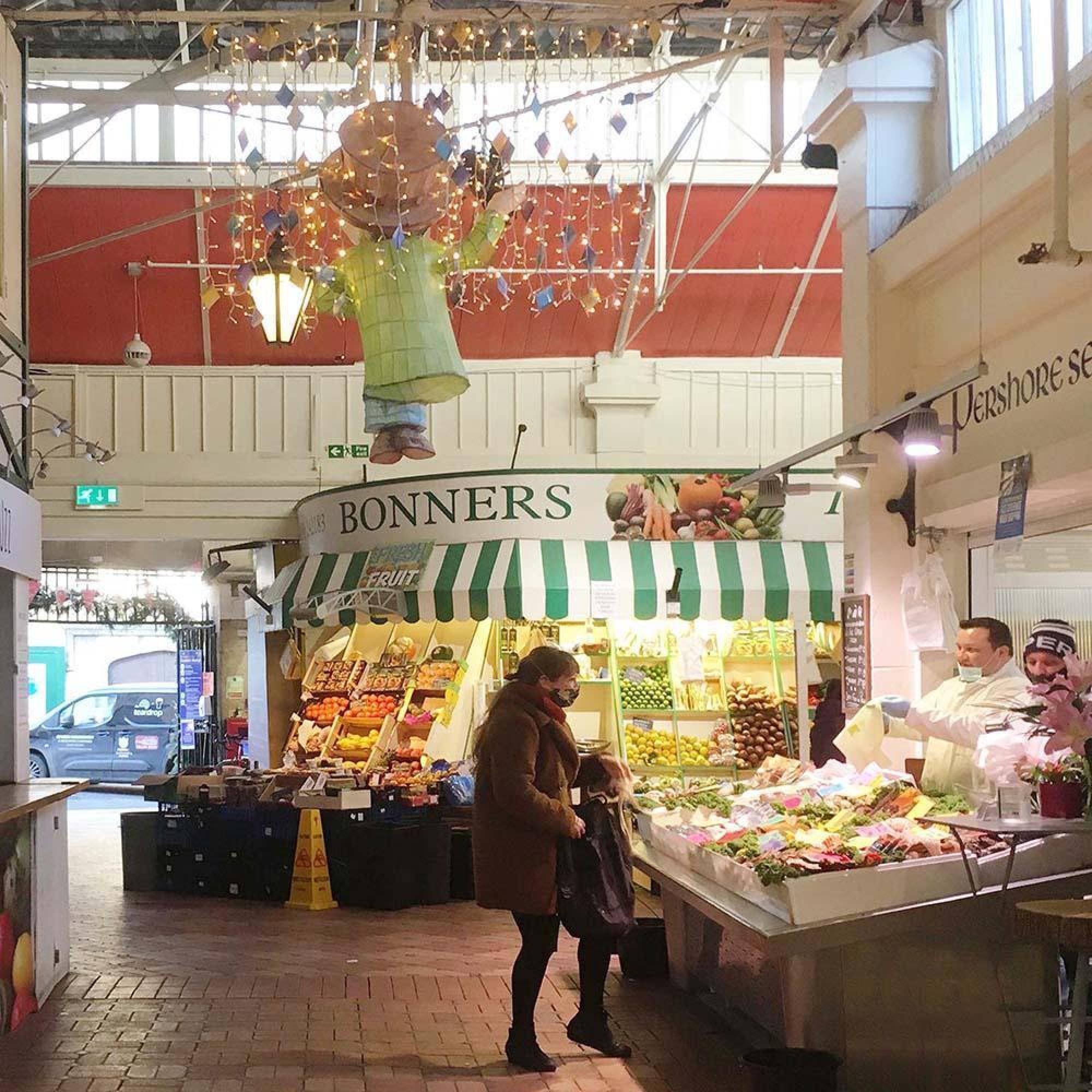
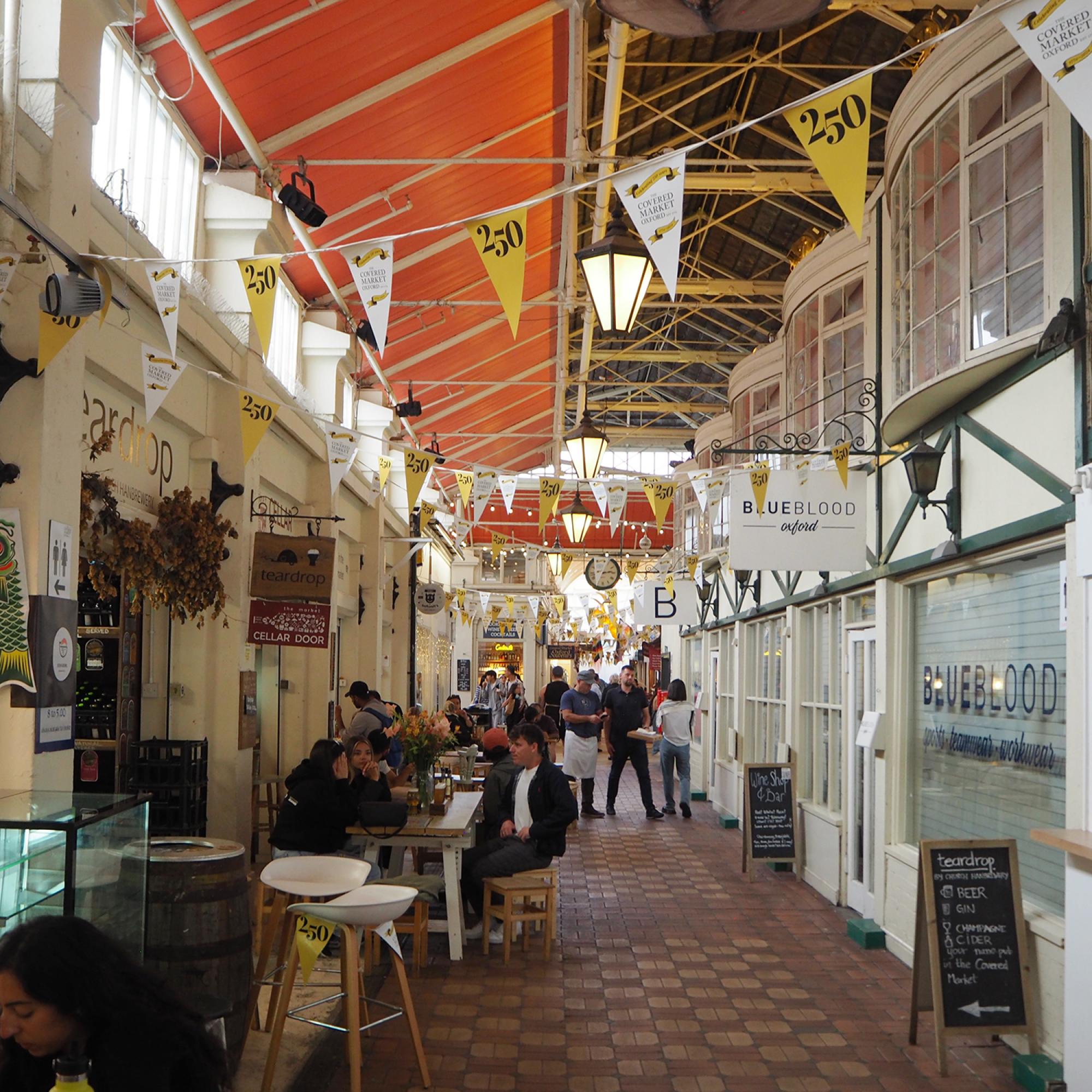
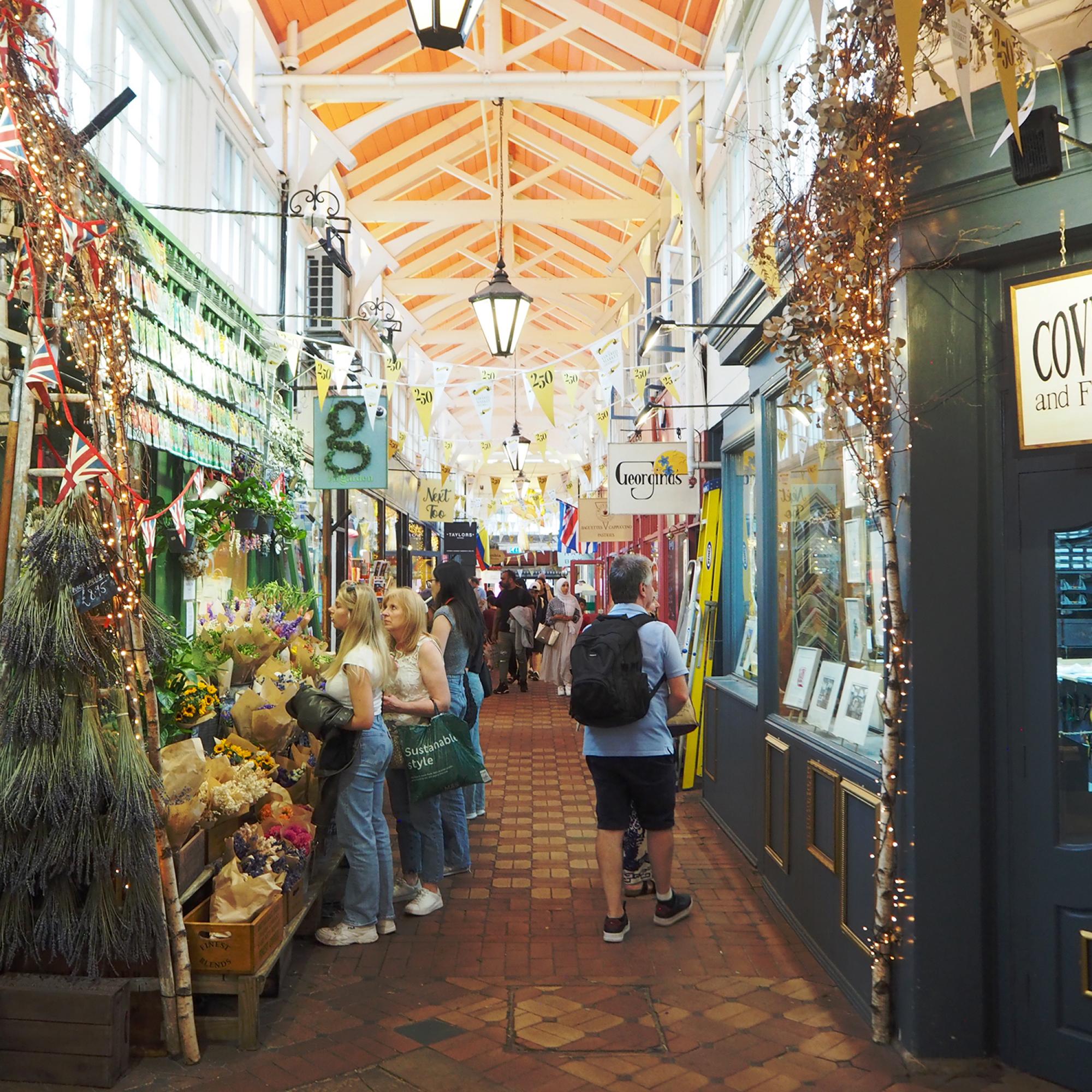
Oxford Covered Market has been a place of commerce and civic life since it opened in 1774. Now 250 years old, the Grade II listed market remains at the centre of Oxford city life: a free public indoor space and home to more than 60 independent traders whose businesses support local jobs and contribute directly to Oxford’s economy. Gort Scott, leading a multidisciplinary team of consultants, has been working with Oxford City Council since 2020 to secure the long-term future of this important public place. The masterplan, approved in 2023, sets out how the market can be regenerated and improved for future generations while respecting and enhancing its unique character, heritage, and history.
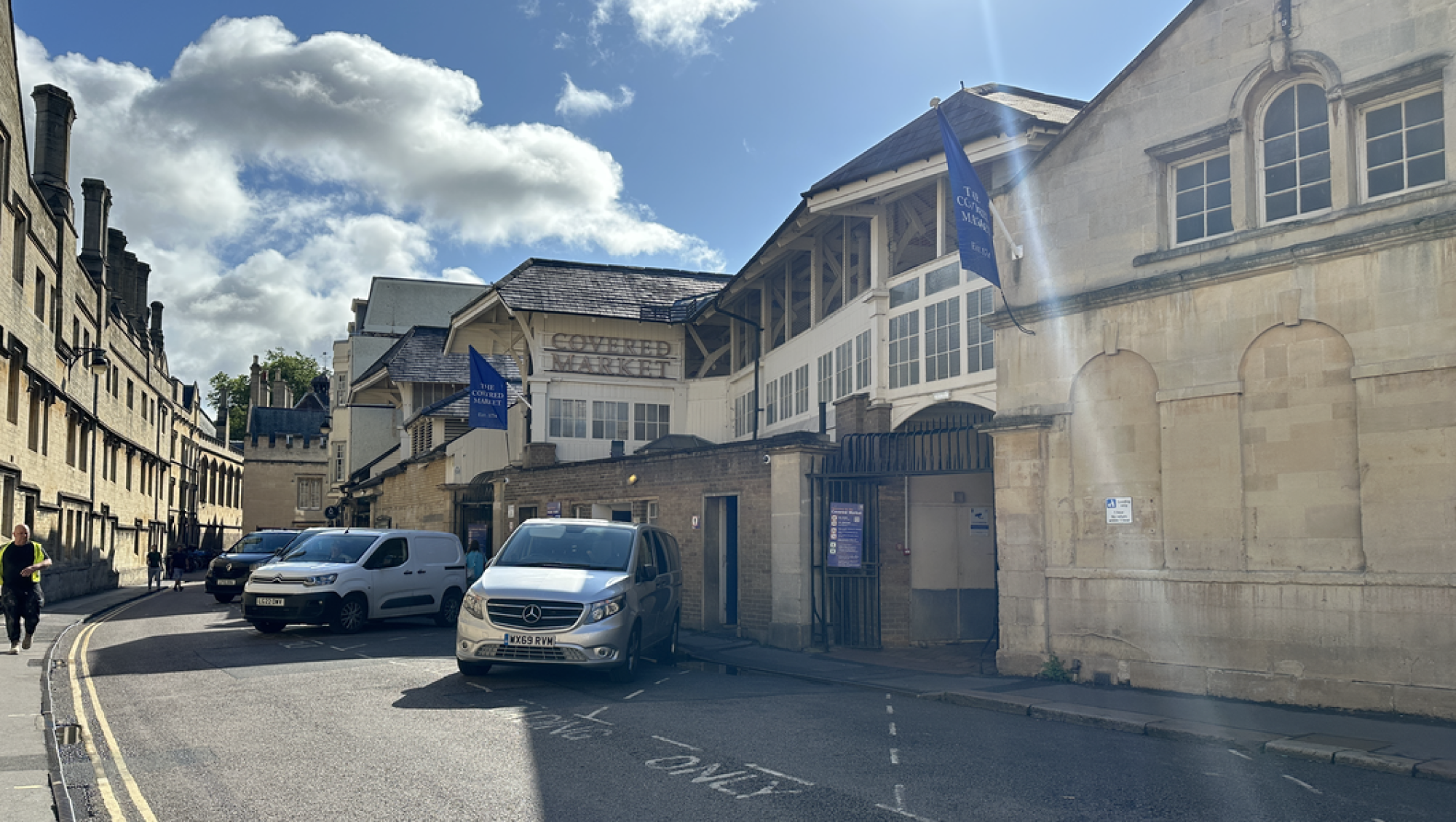
Designed by John Gwynn, the market occupies Oxford’s historic central crossroads. Its passages and covered courtyards connect the surrounding streets, and 250 years of incremental extensions and alterations have given it a distinctive and irreplaceable architectural character.


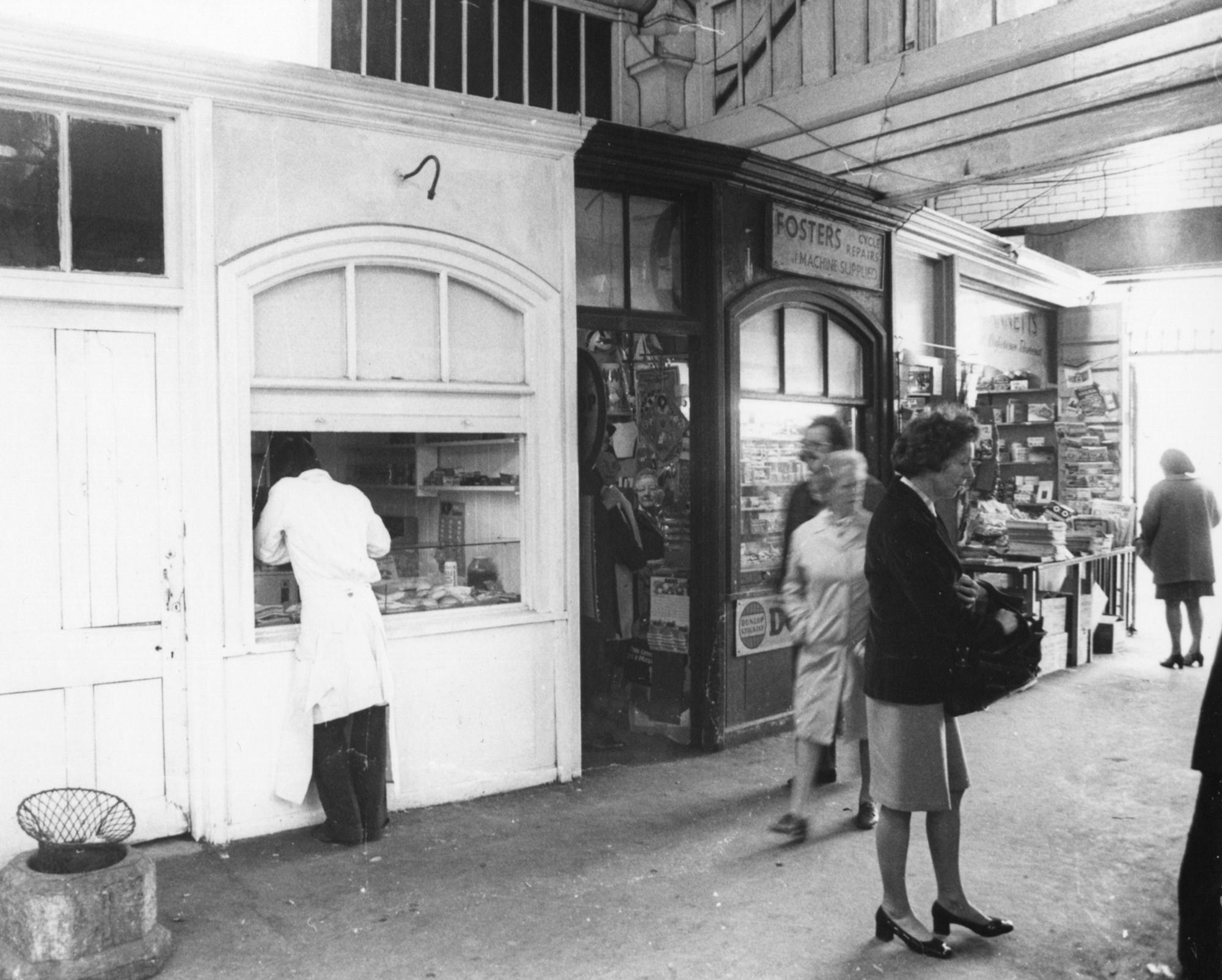
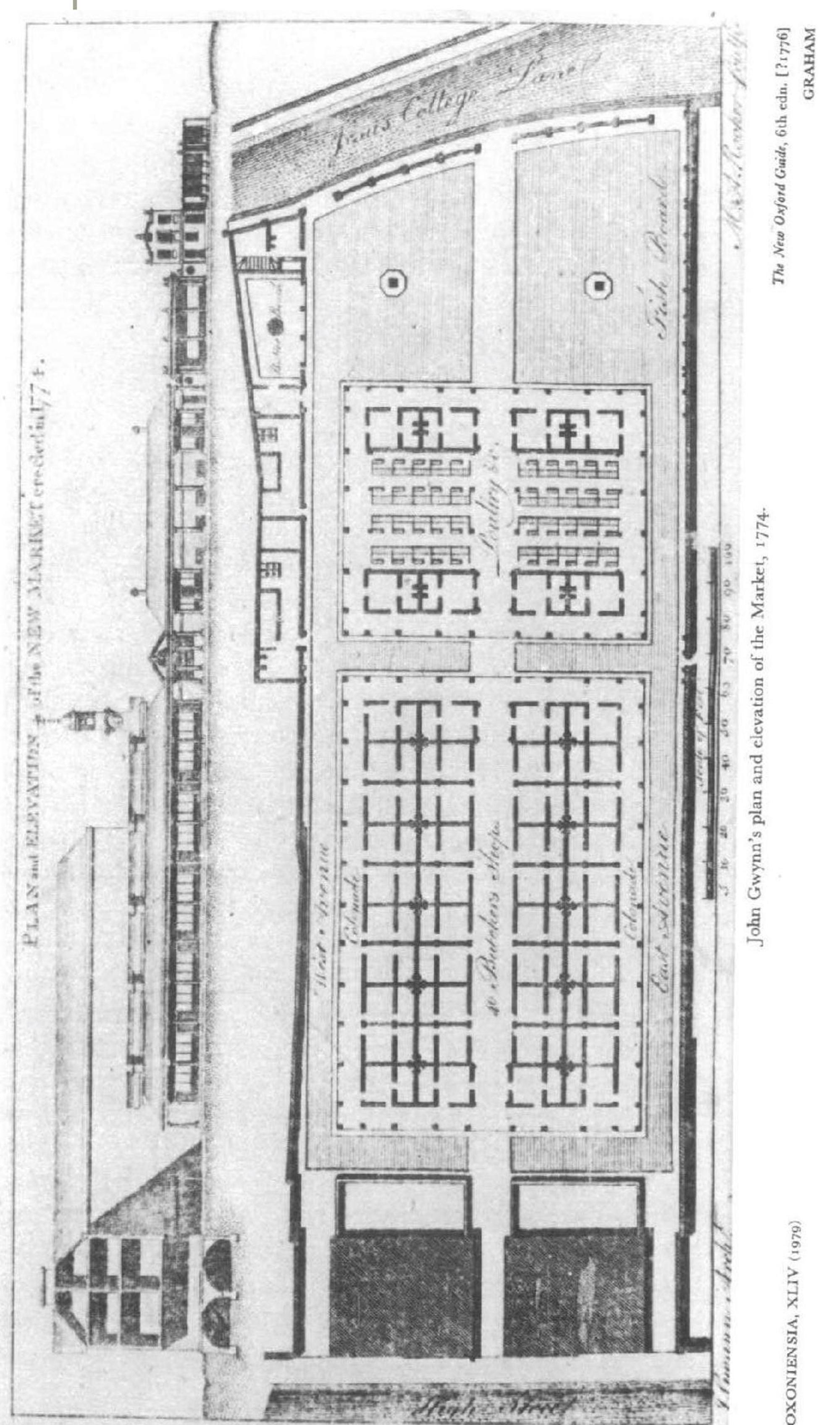
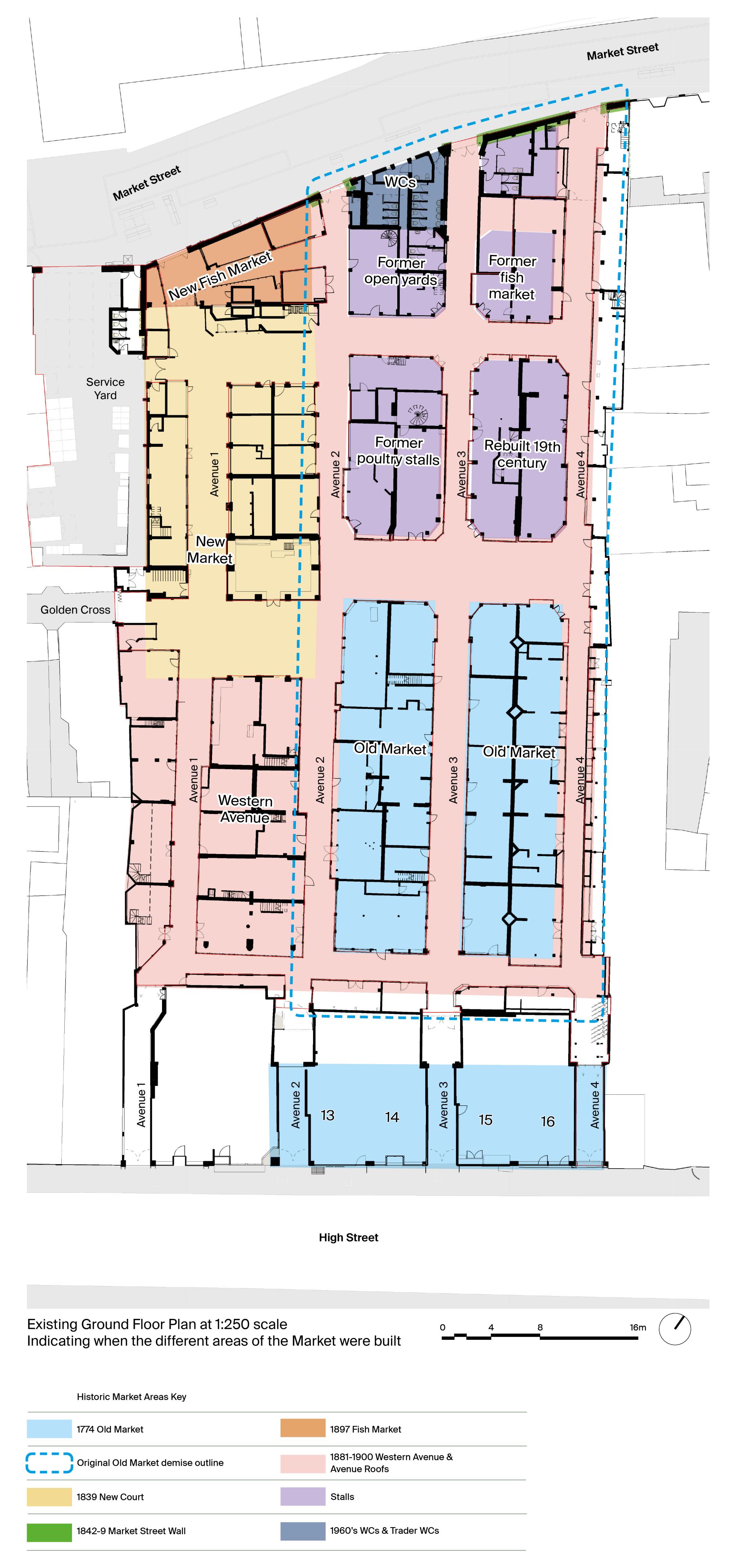
The market is not simply a listed structure. It is a working trading environment and a civic space of long-standing public value. Interventions must therefore respond carefully to its heritage significance, its importance to the city, and the practical needs of those who use and work in it every day.
The project’s aims and priorities were shaped by extensive engagement with traders, residents, visitors, and heritage consultees, establishing a clear brief: to support the market’s evolution while protecting its heritage, improving sustainability and inclusivity, and strengthening its role as an active public space. The market’s character and commercial strength lie in its independent traders. The physical works are not about imposing a new aesthetic or sanitising the space. They are about restoring the building’s historic fabric, removing later additions and distractions, and ensuring the traders’ stalls and shops become the focus. Every proposed intervention must demonstrate clear social, commercial, economic, and environmental value to be included, within a constrained budget.
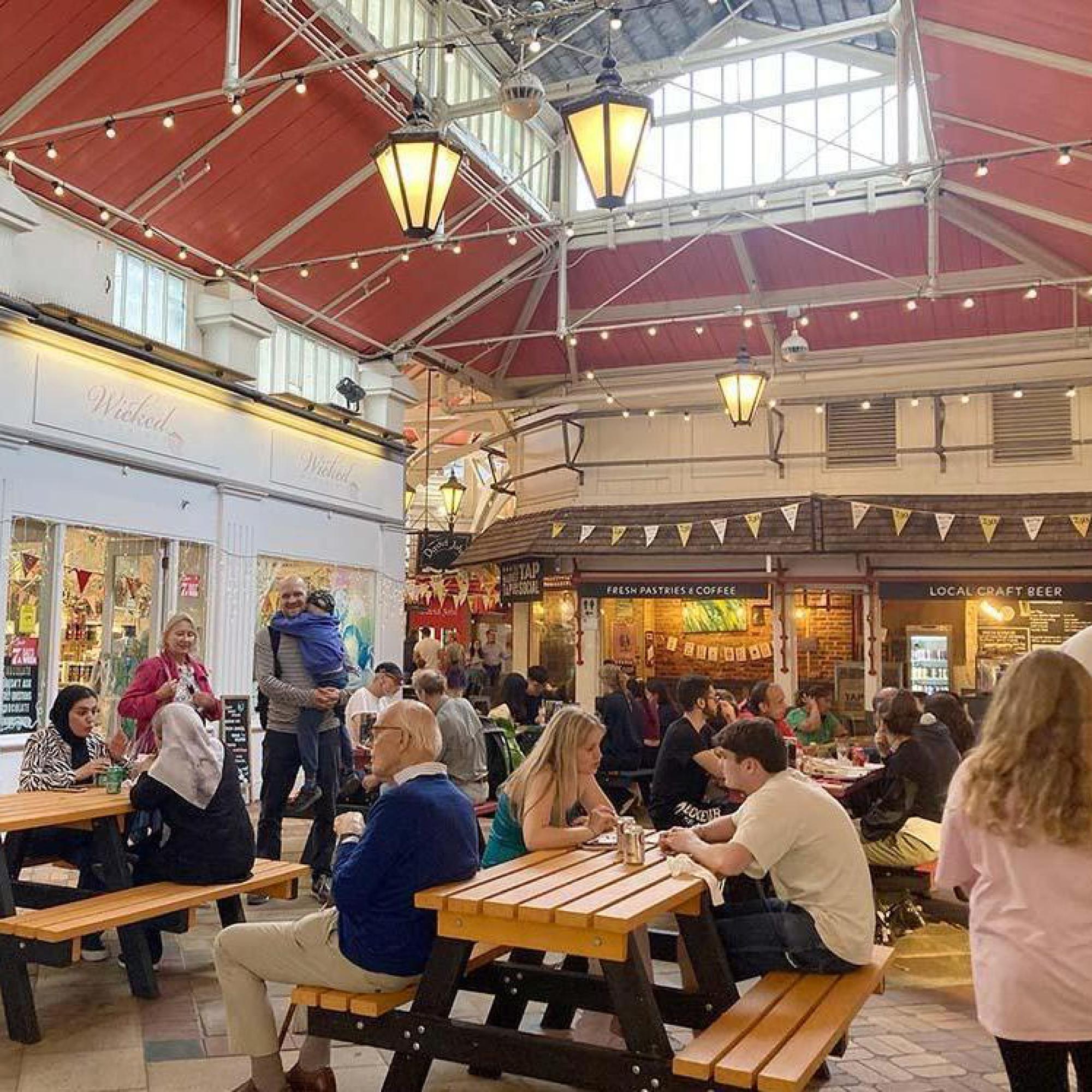
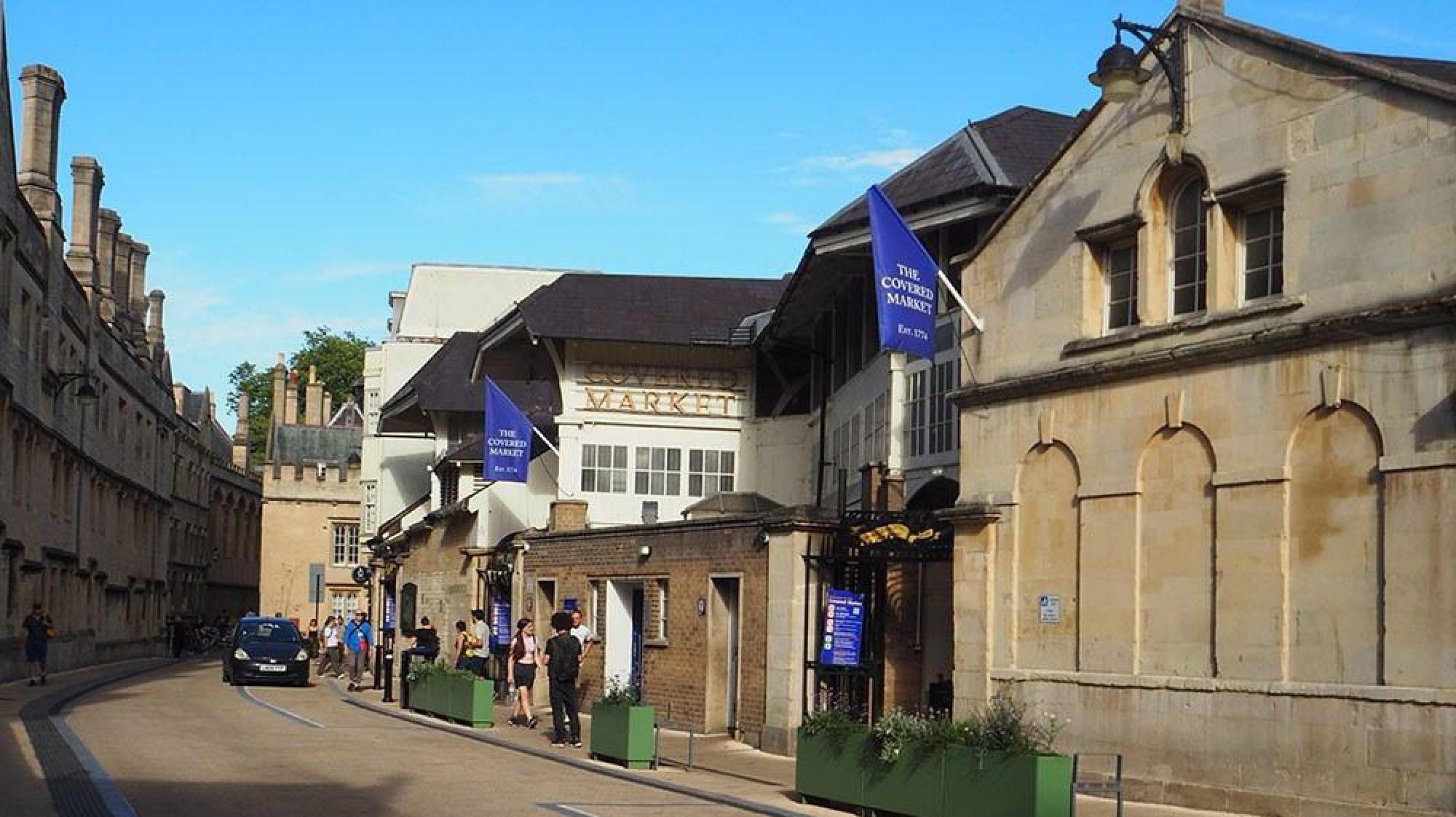
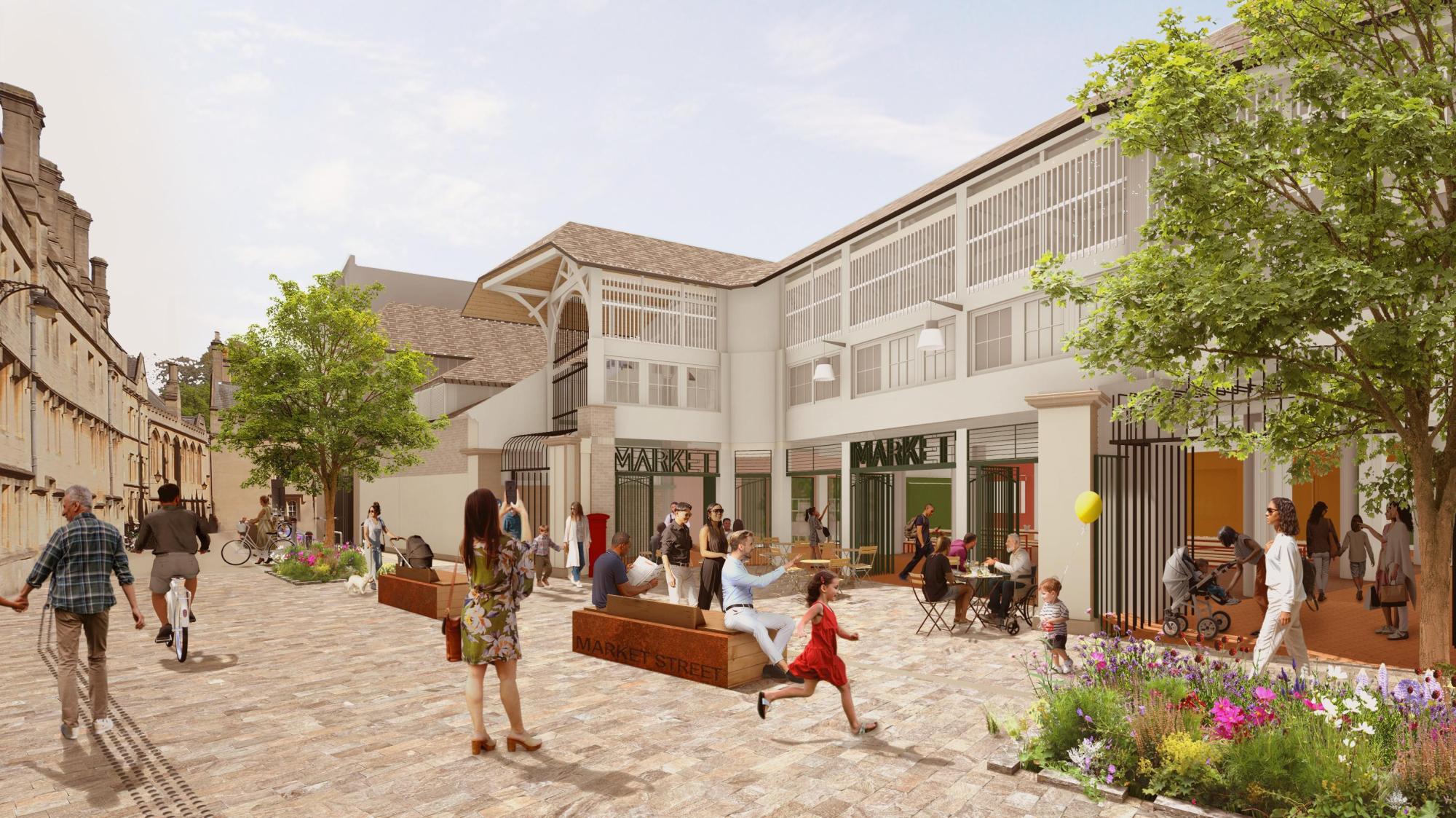
Following Cabinet approval of the masterplan in 2023, a first phase of Market Street pedestrian-prioritisation and public realm works, delivered by Oxford City Council and Urban Movement in 2024, tested the approach and demonstrated the case for the wider programme. Following the success of this trial, the business case for the market was approved by the Council and the Gort Scott-led team was reappointed in 2024 to develop the masterplan from RIBA Stage 2 through to completion.
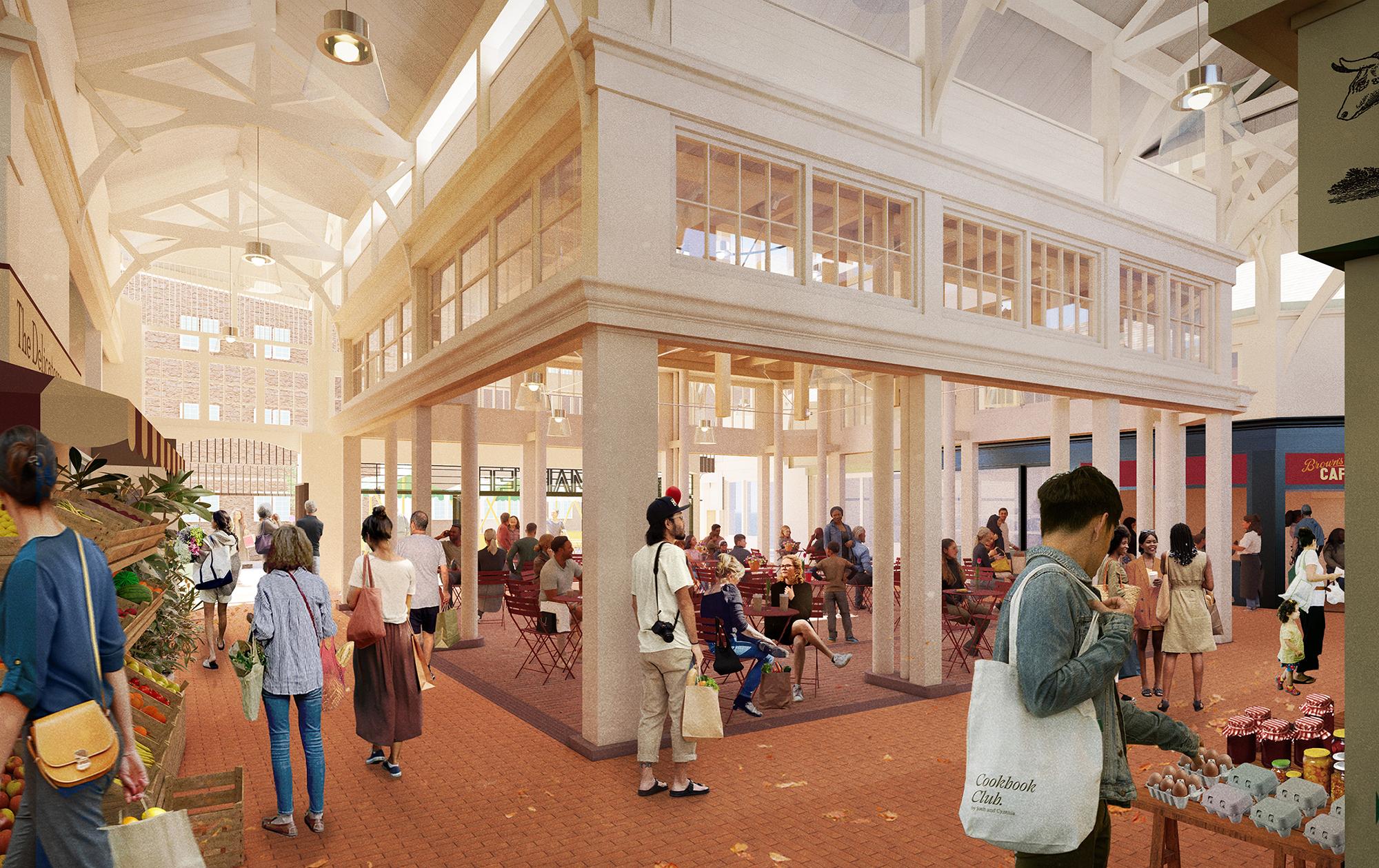
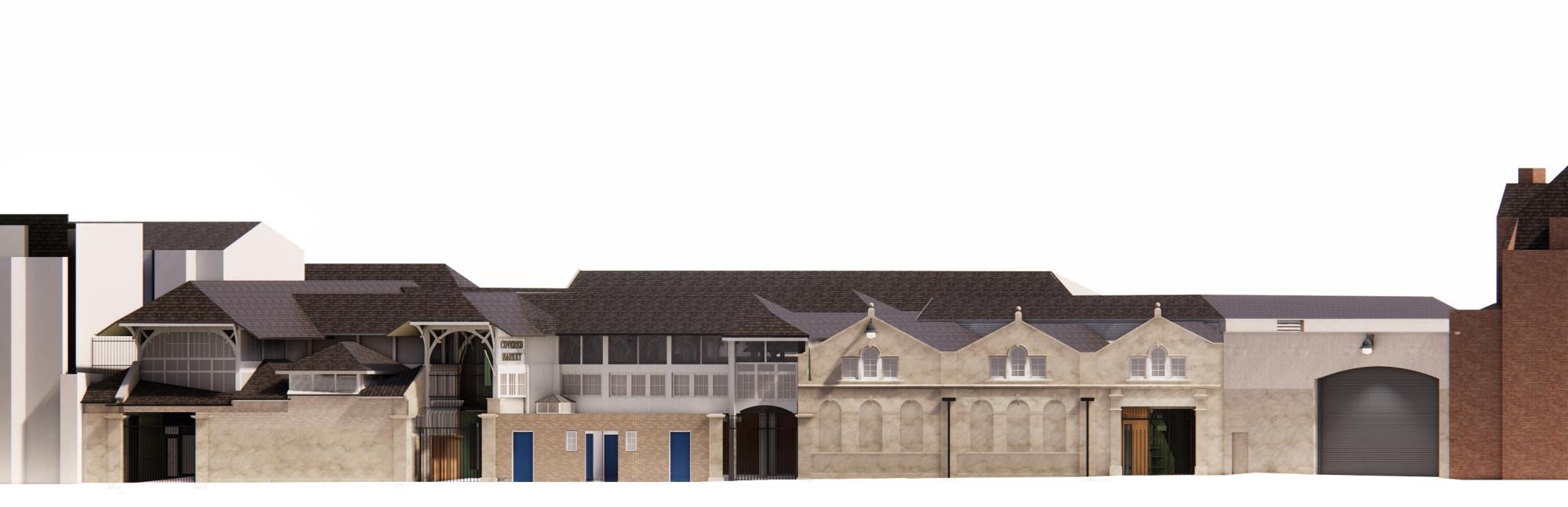
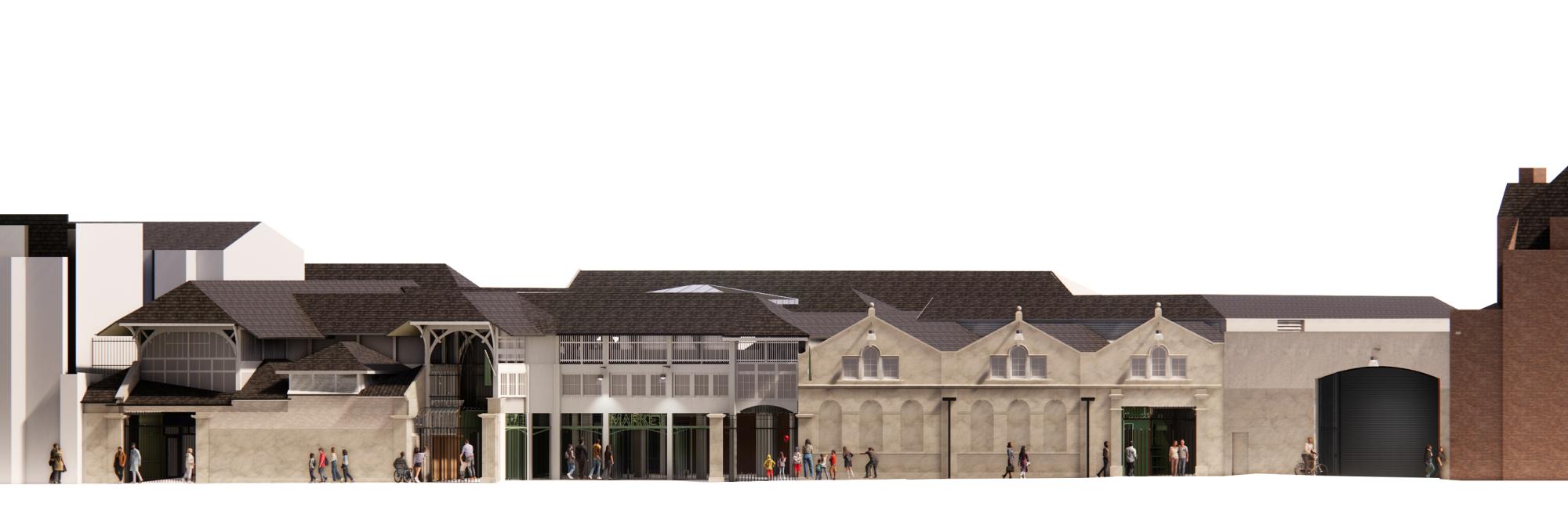
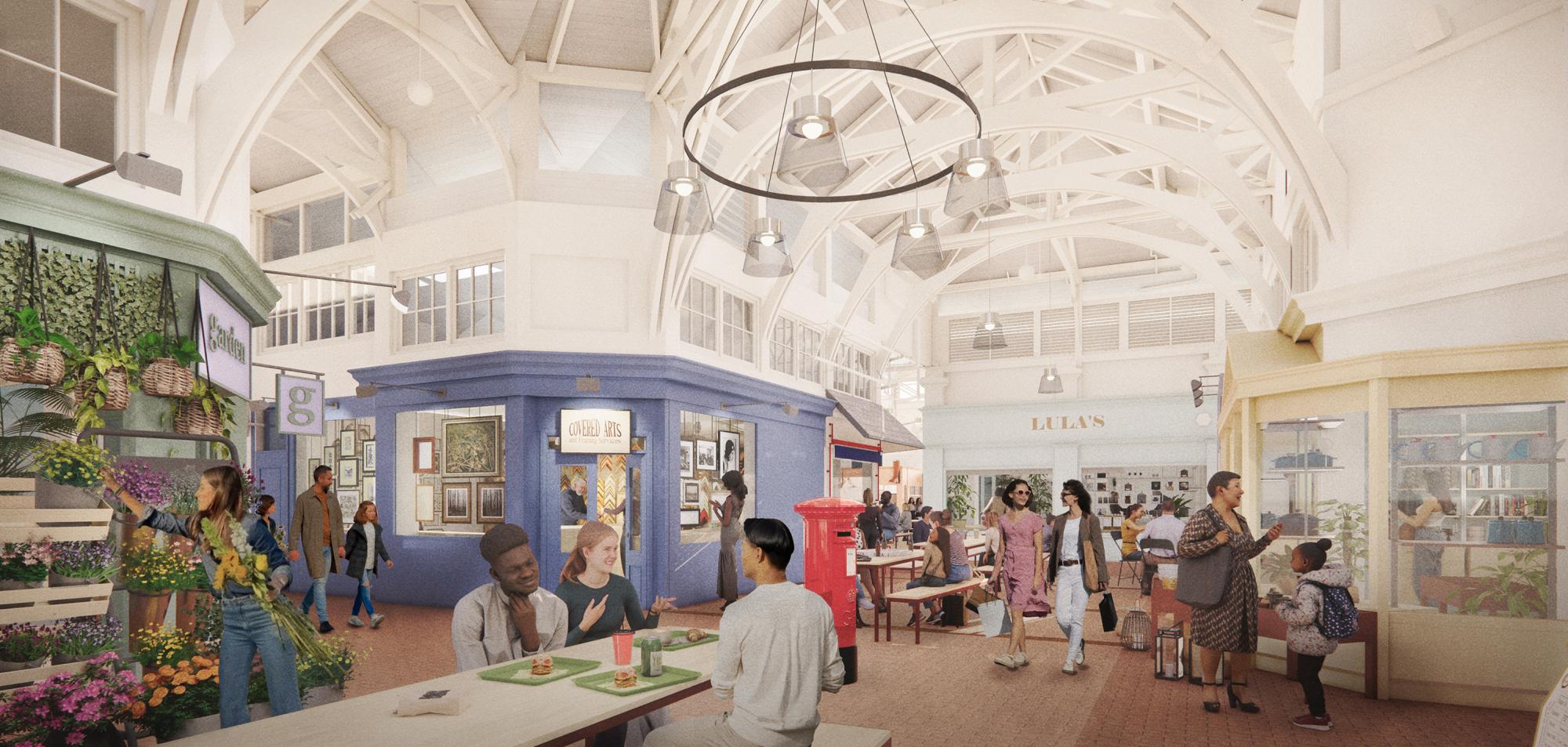
A key element of the proposals is a larger open court on the northern side of the market, accessed directly via a new larger entrance onto Market Street. This generous flexible space with contemporary timber-framed roof is surrounded on all sides by market stalls and is designed to encourage people to stop and linger or be used for events. To create this space the public toilets will be relocated and improved. All entrances to the market will be improved through better lighting, signage, gates and visibility.
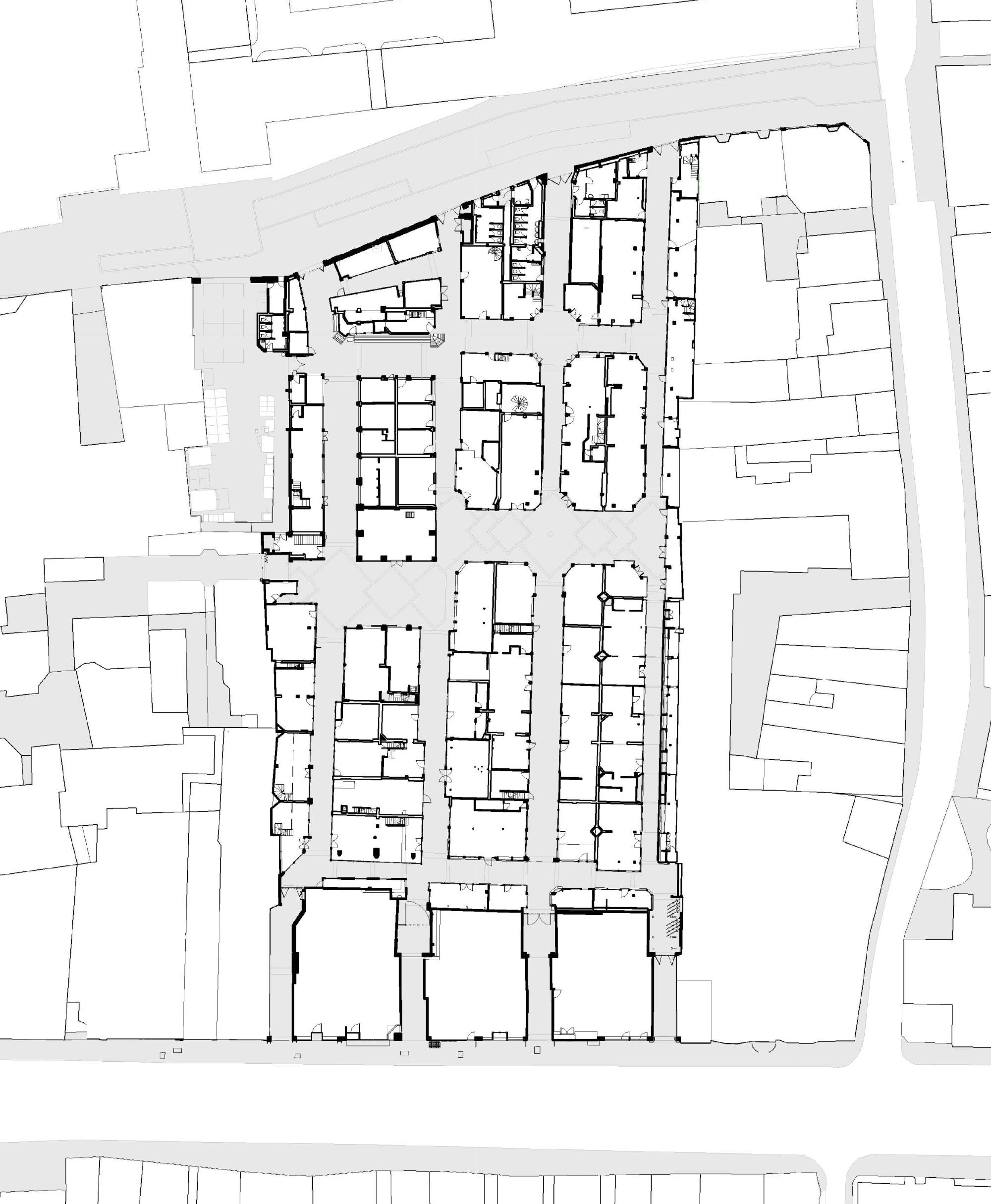
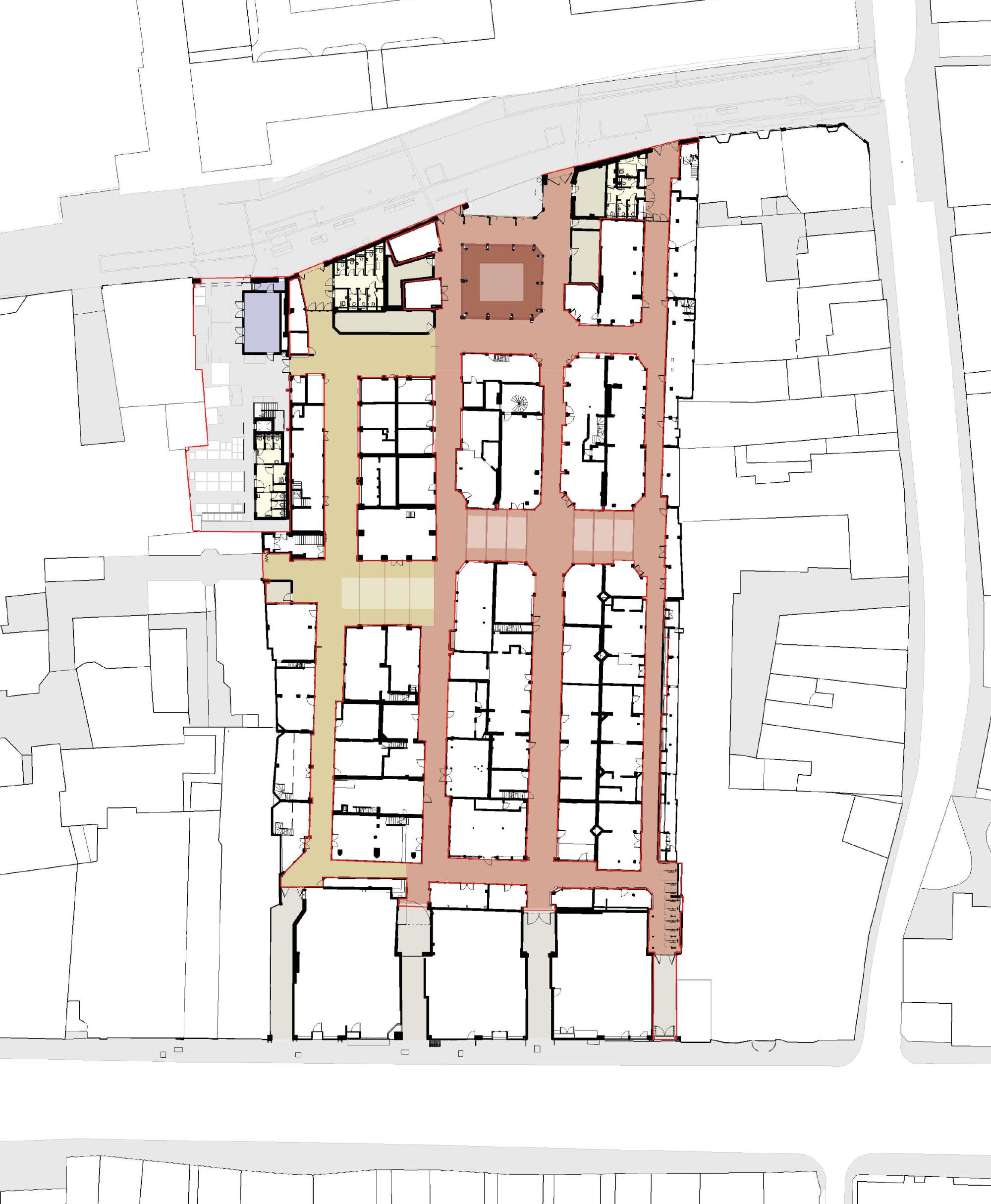
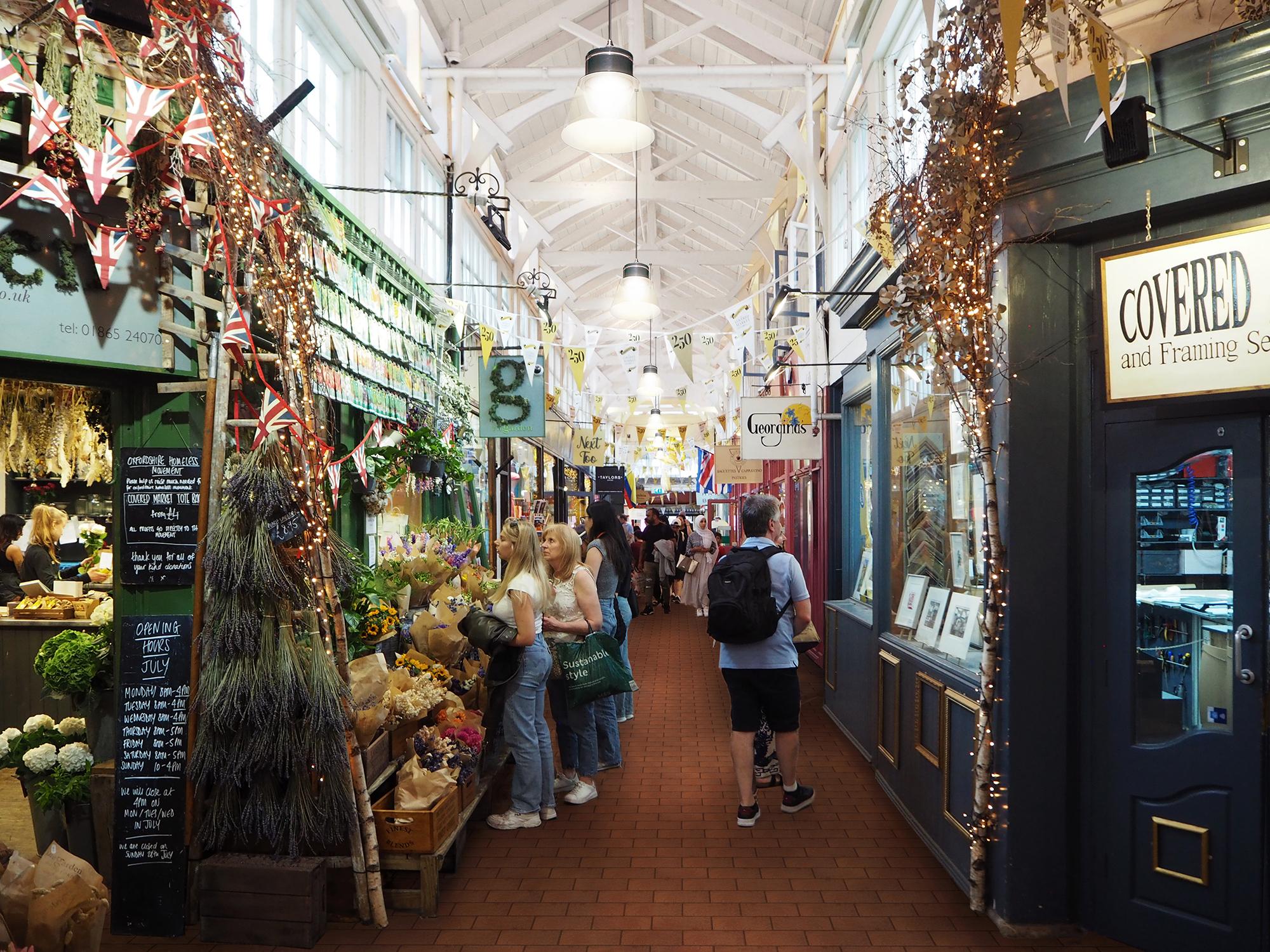
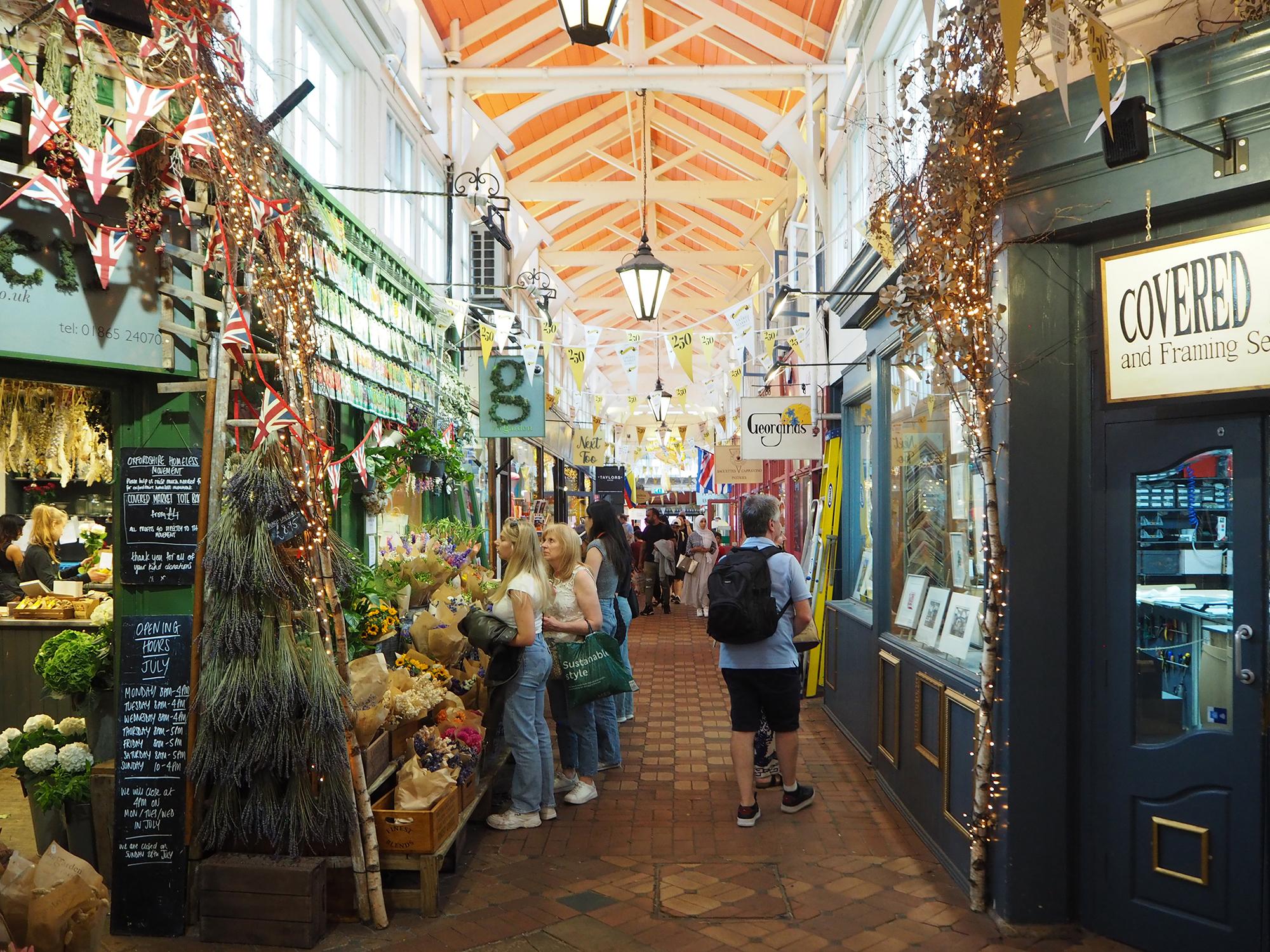
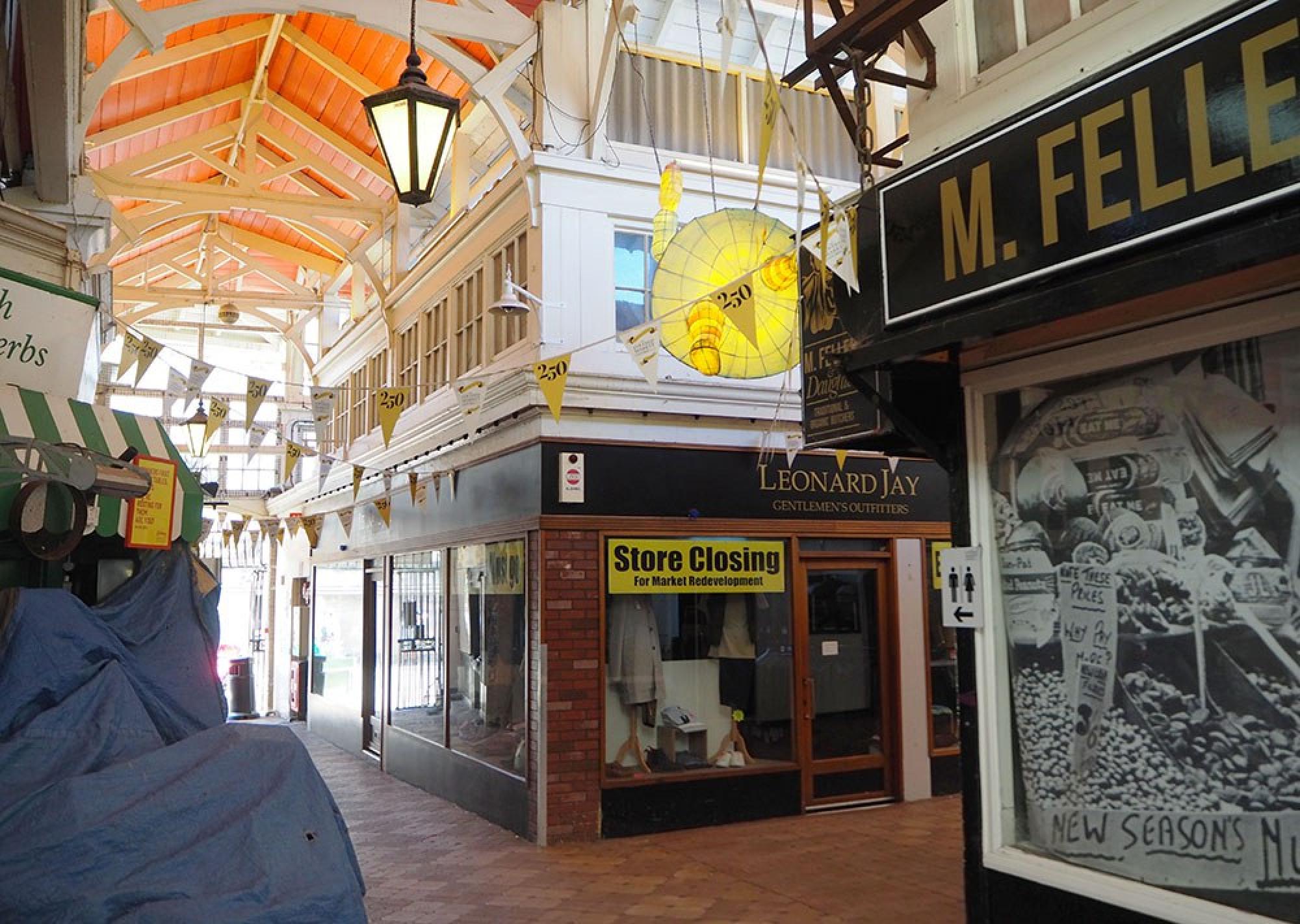
Within the building, the refurbishment aims to restore the market’s historic character and bring the traders’ spaces into sharper focus. Modern patterned flooring will be re-laid to show the historic layout of the market, reusing existing brick. The original decoration colour scheme will be reinstated along with new lighting. Disused services will be decluttered and rationalised. New rooftop services distribution, substation and future-proofing for photo-voltaic panels, upgraded utilities, improved trader amenities, as well as a reorganised service yard will support more efficient day-to-day operation.
The project supports Oxford City Council’s leasing strategy, including opportunities for start-ups, more flexible occupation, and stronger evening use. The project delivers a robust infrastructure to support a changing mix of retail, food, drink, and events-led uses over time and aligns with Oxford County Council’s Zero Emission Zone ambitions through pedestrianisation, cycle parking, and reduced vehicle impact. The market’s independent traders are central throughout: the proposals are designed to maintain and strengthen its role as a home for local SME and VSME businesses, while keeping the market open and trading throughout the construction period.
Further information
Data
- Location
- Oxford
- Project type
- Urban design, Public and civic, Heritage and adaptation
- Status
- To be submitted for planning 2026
Credits
- Client
- Oxford City Council
- Gort Scott Role
- Lead Architect
- Gort Scott Team
- Fiona Scott, Jay Gort, Susie Hyden, Florence Fathers, Oliver Carter
- Collaborators
- Marcus Beale Architects (Heritage), Skelly & Couch (MEP & Sustainability), Heyne Tillett Steel (Structures and Civil Engineering), David Bonnett Associates (Access Consultants), Oxford Archaeology (Archaeologists), Savills (Planning Consultants), Gleeds (Project Manager and Cost Manager), OFR (Fire Consultant) and Ridge (CDM and BR PD). Previous Collaborators: Max Fordham (MEP and Sustainability Engineers), HRW (Structural and Civil Engineering), Stockdale (Cost Planning/ QS), Transition by Design (Public Consultation), Caneparo (Transport)
Awards
- OxProp Awards 2026: Best Future Project of the Year — Shortlisted